Stair Tiles Design Ideas for Indoor and Outdoor Steps
15 designs Tiles by room Updated 8 Oct 2026
The right stair tiles design keeps every step safe, clearly visible and easy to mop. Stairs take more wear than any floor in the house, and one slip on a wet, glossy step can hurt badly, so grip and a clear front edge come first.
Below is a stair tiles design for home duplexes, bungalows and apartments: indoor stairs, outdoor step tiles with anti-skid grip, wood look and granite look steps, riser patterns and staircase side wall tiles. With every photo you get the size, the finish and a fixing tip for your mason.
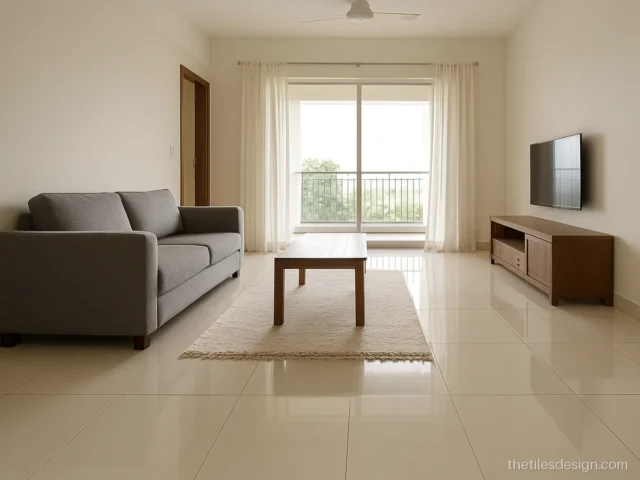
If the stairs start from the hall, match the tread colour to your hall tiles design so the two flow together.
Indoor Stair Tiles Design
Indoor stair tiles need a grippy face and a front edge you can see. Most homes use one long tile for the tread and a cut strip for the riser. These are the modern tiles for stairs most fitters suggest.
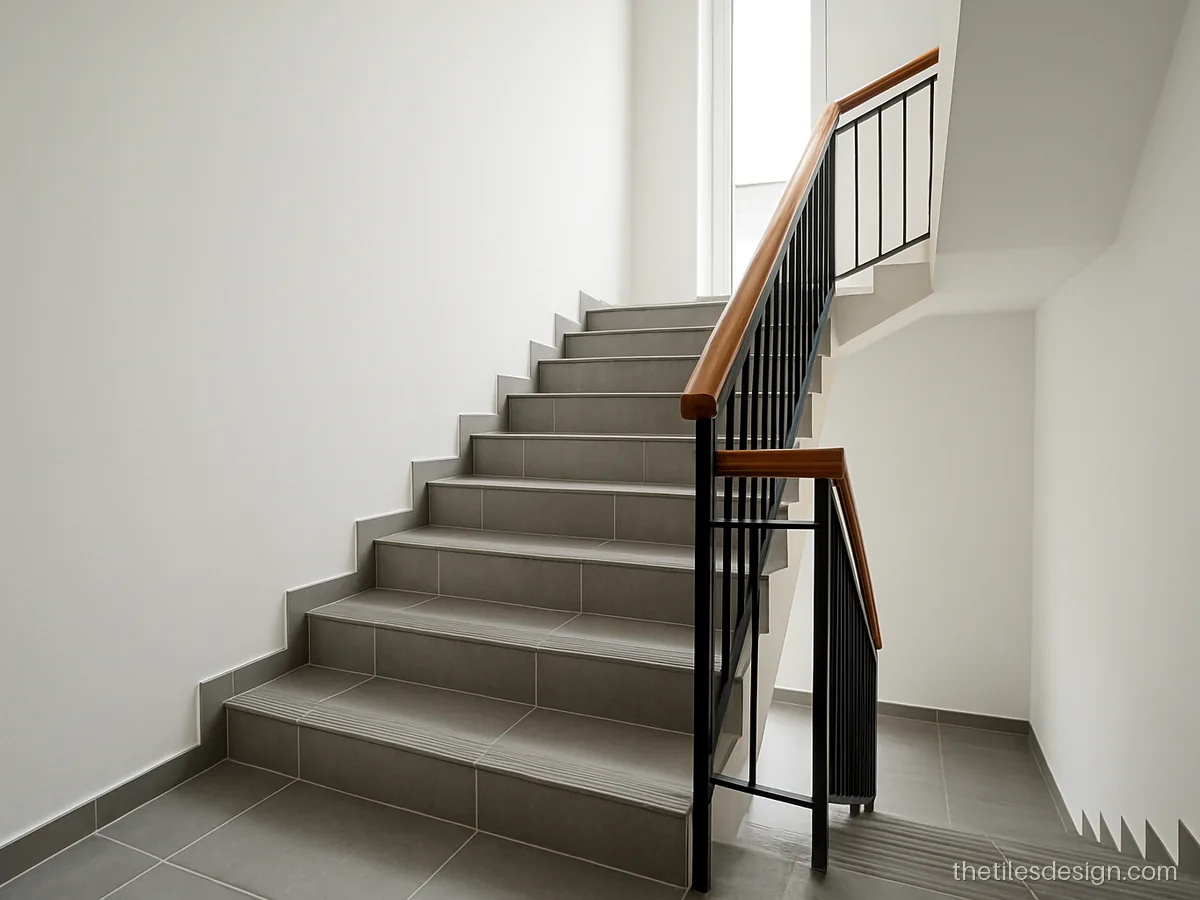
- Size
- 300 x 1200 mm treads
- Finish
- Matt
- Best for
- Duplex homes
Grey matt treads with white risers make each step easy to see, which helps elders and kids. One broken step is also simple to replace.
Fitter's tip: Keep every riser the same height, within 5 mm, or people will trip on the odd step.
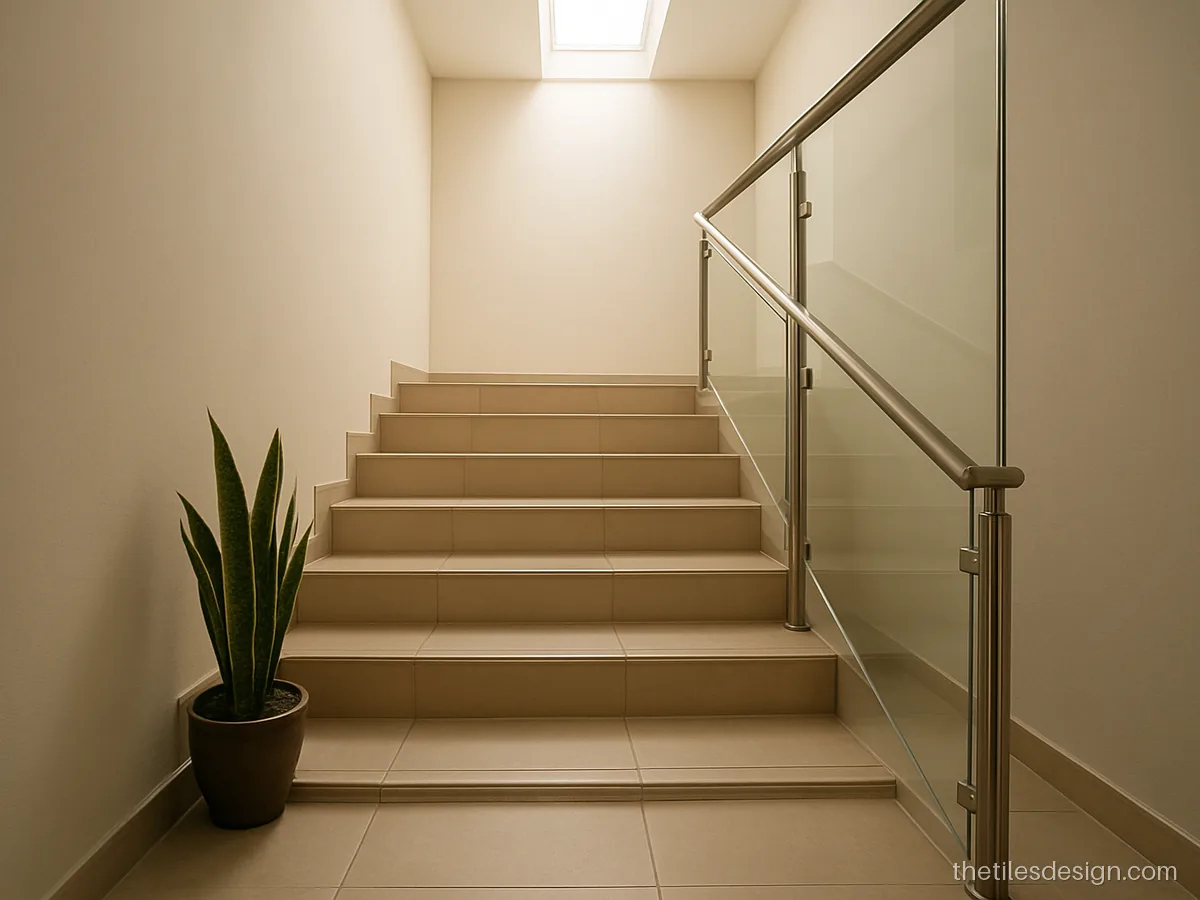
- Size
- 300 x 1000 mm treads
- Finish
- Satin
- Best for
- Narrow staircases
Beige satin step tiles with a glass railing keep a narrow staircase open and bright. Satin hides footprints better than glossy.
Fitter's tip: Add a grooved anti-skid strip about 20 mm from the front edge of every tread.

- Size
- 300 x 1200 mm treads
- Finish
- Matt, black nosing
- Best for
- Bungalows
White treads with a black front strip mark every edge clearly. A modern look for open stairs in a bungalow with a double height hall.
Fitter's tip: Bed the black nosing strip in epoxy grout so it stays flush and does not rock.
Outdoor Step Tiles with Anti-Skid Grip
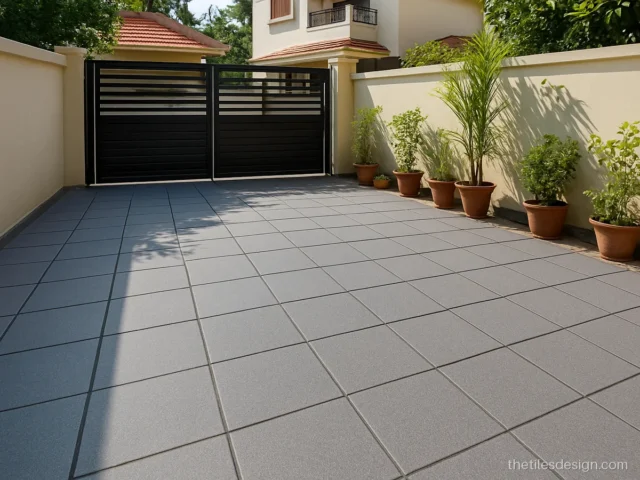
Tiles for stairs outdoors face rain, sun and mud. Choose rough tiles for stairs with an anti-skid or textured face, at least 10 mm thick, and give each step a small slope. For the driveway below, see parking tiles design.
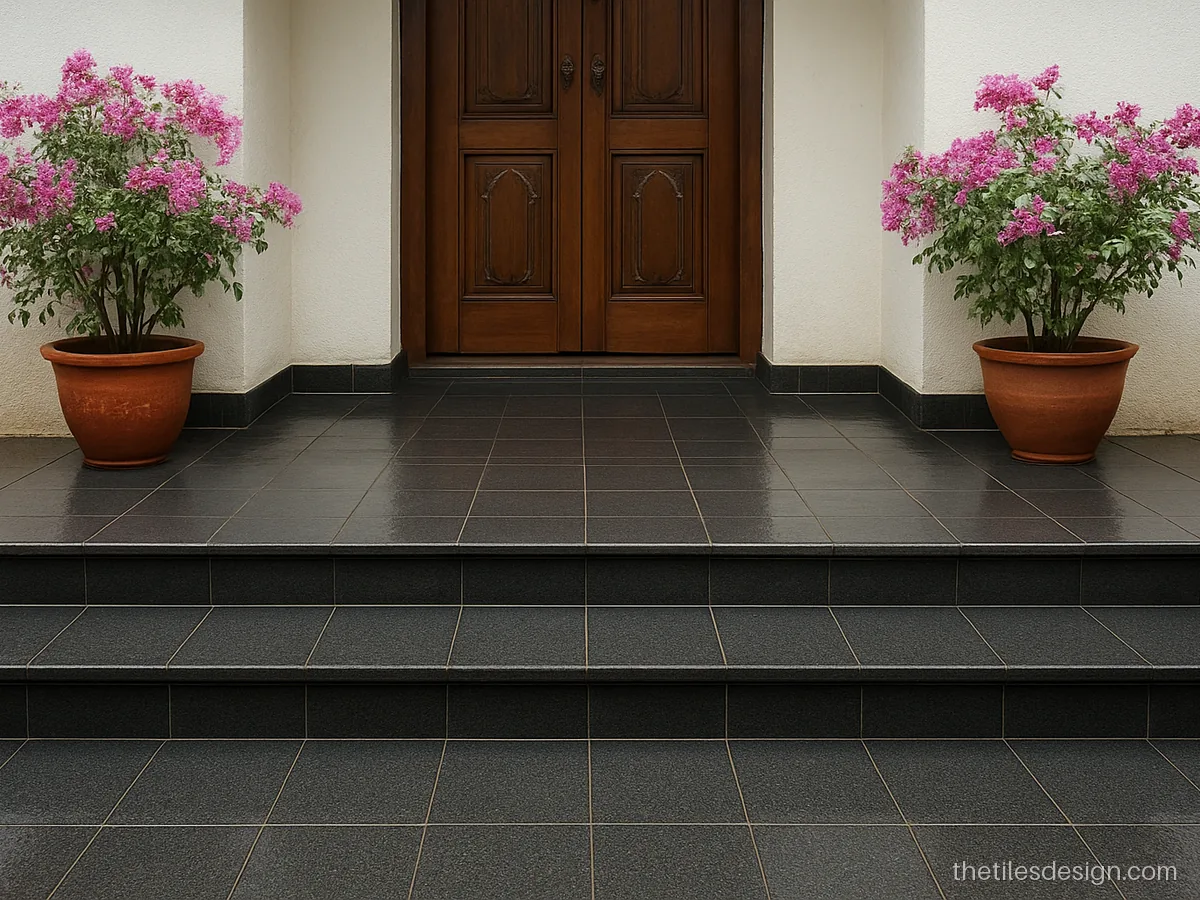
- Size
- 300 x 600 mm
- Finish
- Anti-skid
- Best for
- Entrance steps
Grey anti-skid tiles on the front steps give grip in the monsoon and hide mud. The matching porch floor makes the entrance look neat.
Fitter's tip: Give each tread a 1 to 2 mm fall to the front so rain water does not pool.
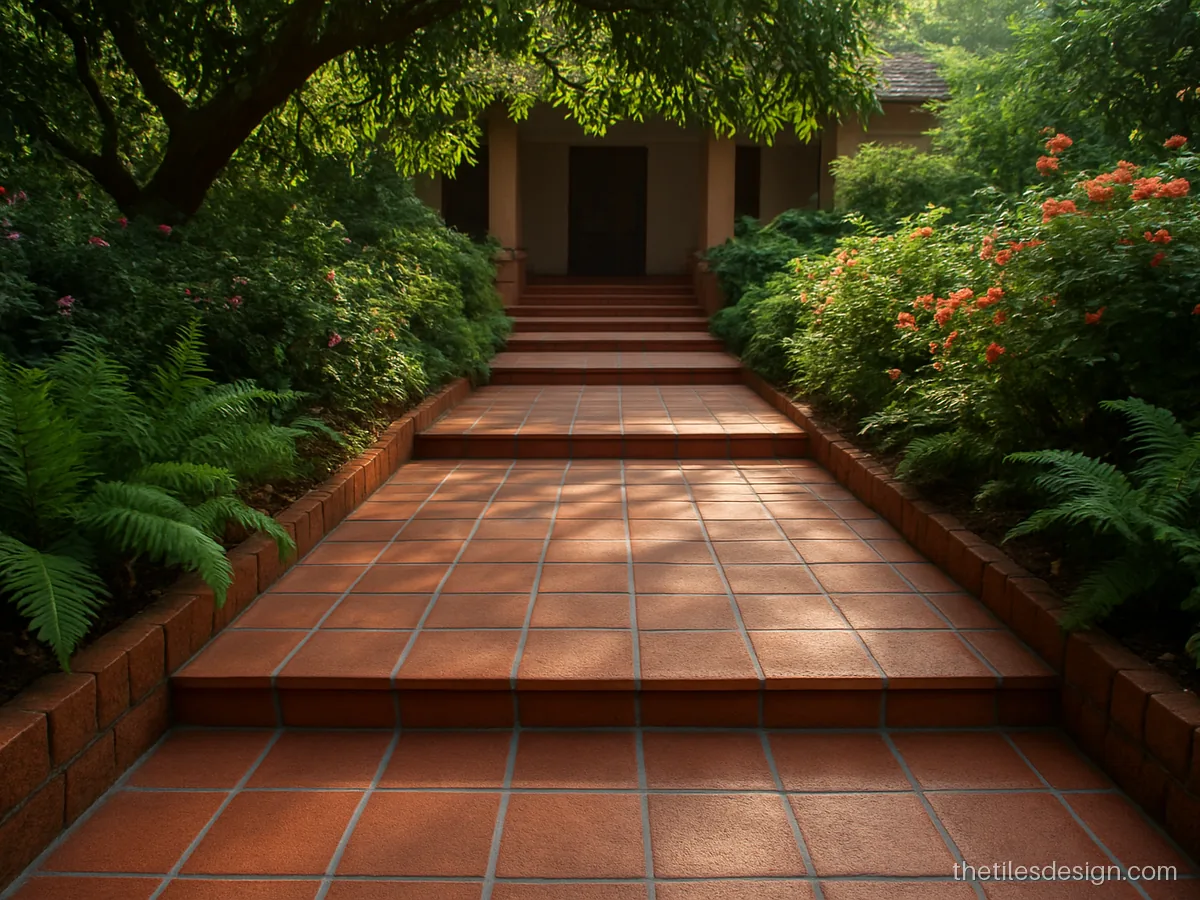
- Size
- 300 x 300 mm
- Finish
- Rough unglazed
- Best for
- Garden steps
Terracotta tiles on garden steps blend with plants and stay cooler underfoot in summer. Seal them to stop moss in shady corners.
Fitter's tip: Apply a clear breathable sealer twice a year to keep moss and stains away.
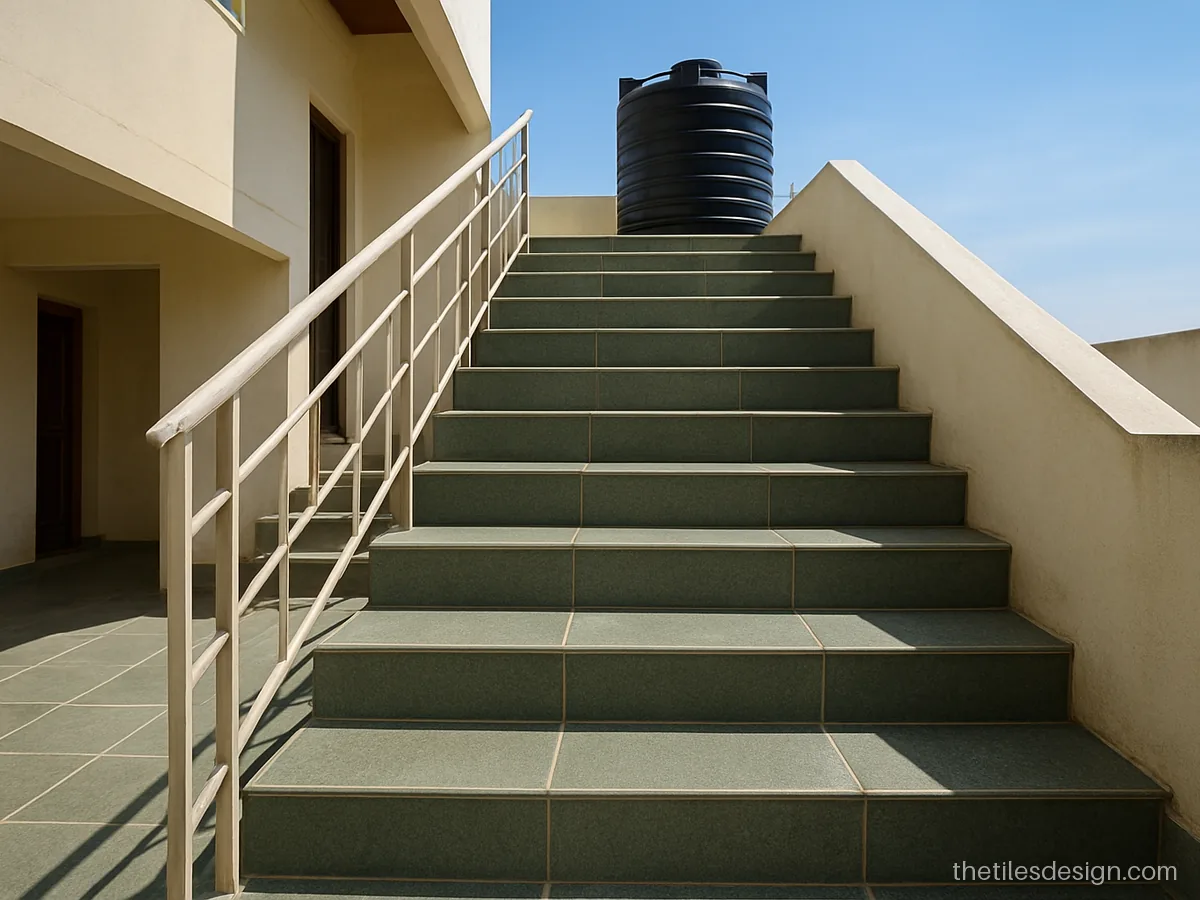
- Size
- 600 x 600 mm
- Finish
- Leather textured
- Best for
- Open terrace stairs
Kota stone look tiles with a leather texture suit open stairs going up to the terrace. They take strong sun without fading much.
Fitter's tip: Use full body or thick outdoor tiles here; thin wall tiles crack under sun and load.
Wood Tile Stairs
Planks that copy timber give stairs a warm look, with no polish and no termites. They suit modern duplex flats and villas. See more plank shades on wooden floor tiles.
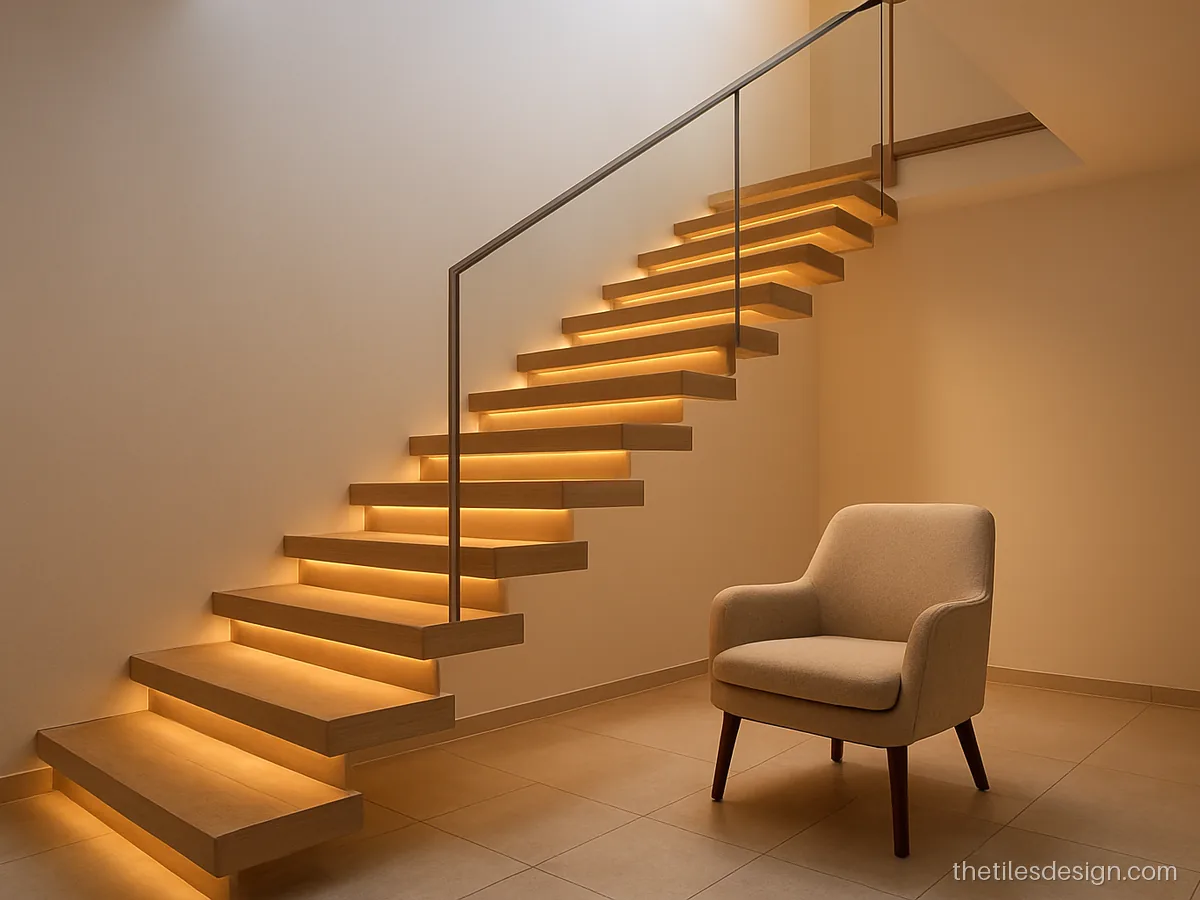
- Size
- 200 x 1200 mm planks
- Finish
- Matt wood grain
- Best for
- Modern duplexes
Light oak wood look tiles on floating steps look like timber but take wet mopping. A good fit for a modern duplex living room.
Fitter's tip: Join tread and riser planks with a mitred edge so no raw tile body shows at the front.
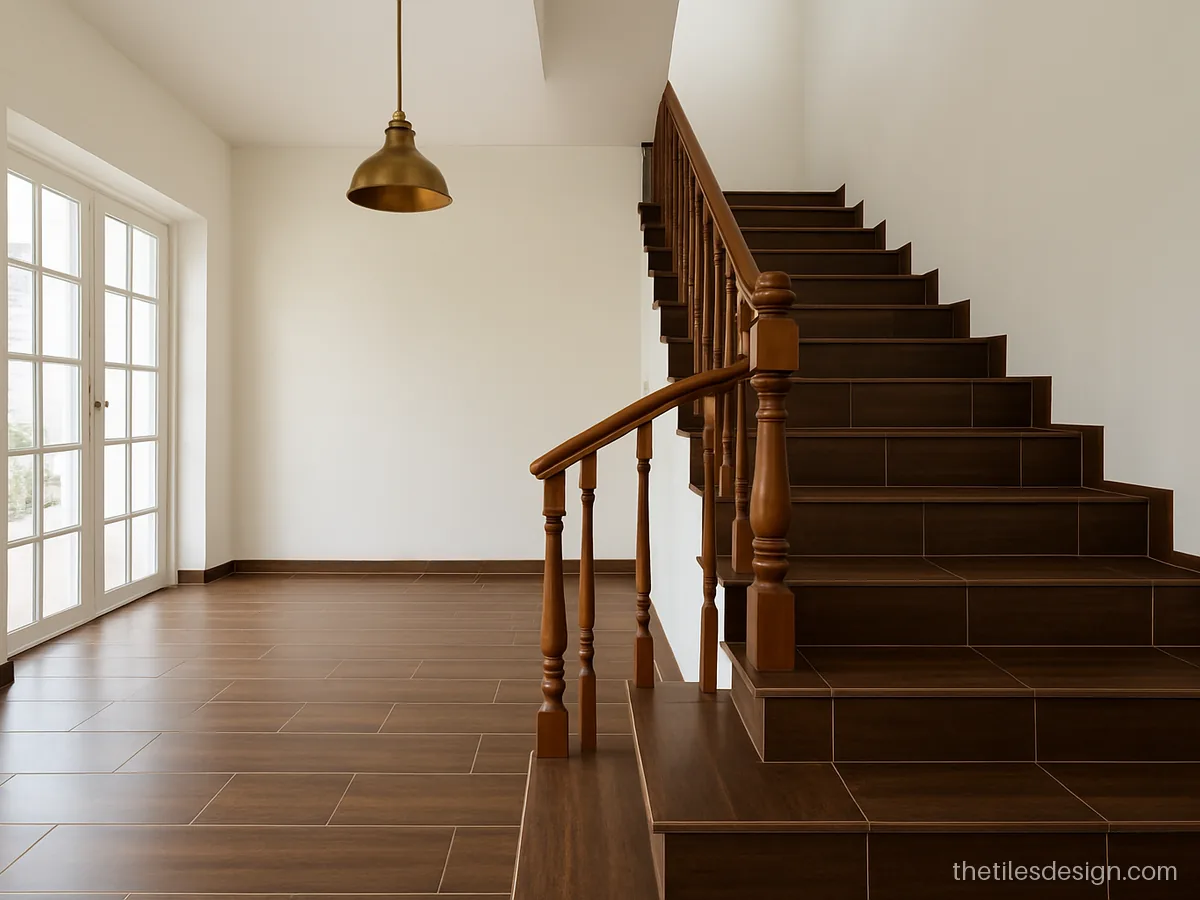
- Size
- 300 x 1200 mm treads
- Finish
- Matt
- Best for
- Large halls
Dark walnut treads and risers give a rich look in a large hall. Dust shows on dark matt tiles, so keep a dry mop handy.
Fitter's tip: Buy risers from the same batch as the treads so the brown shade matches.
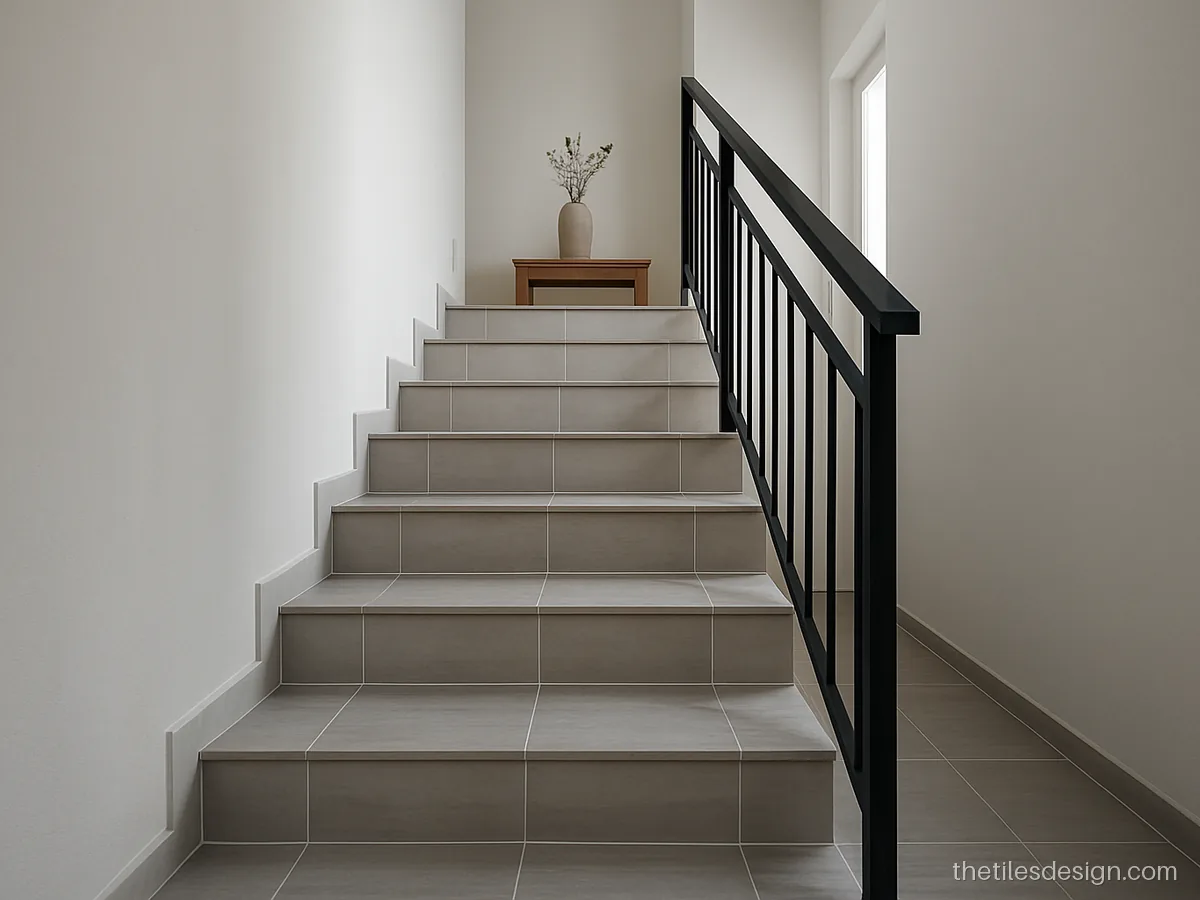
- Size
- 200 x 1200 mm planks
- Finish
- Satin
- Best for
- Apartments
Grey wood treads with white risers give a soft, light modern look and make each step stand out in dim light.
Fitter's tip: Run the wood grain along the tread width, never front to back, for a natural look.
Marble and Granite Look Step Tiles
Granite is the hard wearing choice for busy stairs, and marble looks suit grand halls. Tiles in these looks are lighter and quicker to fit than stone. Compare real stone on granite flooring design.
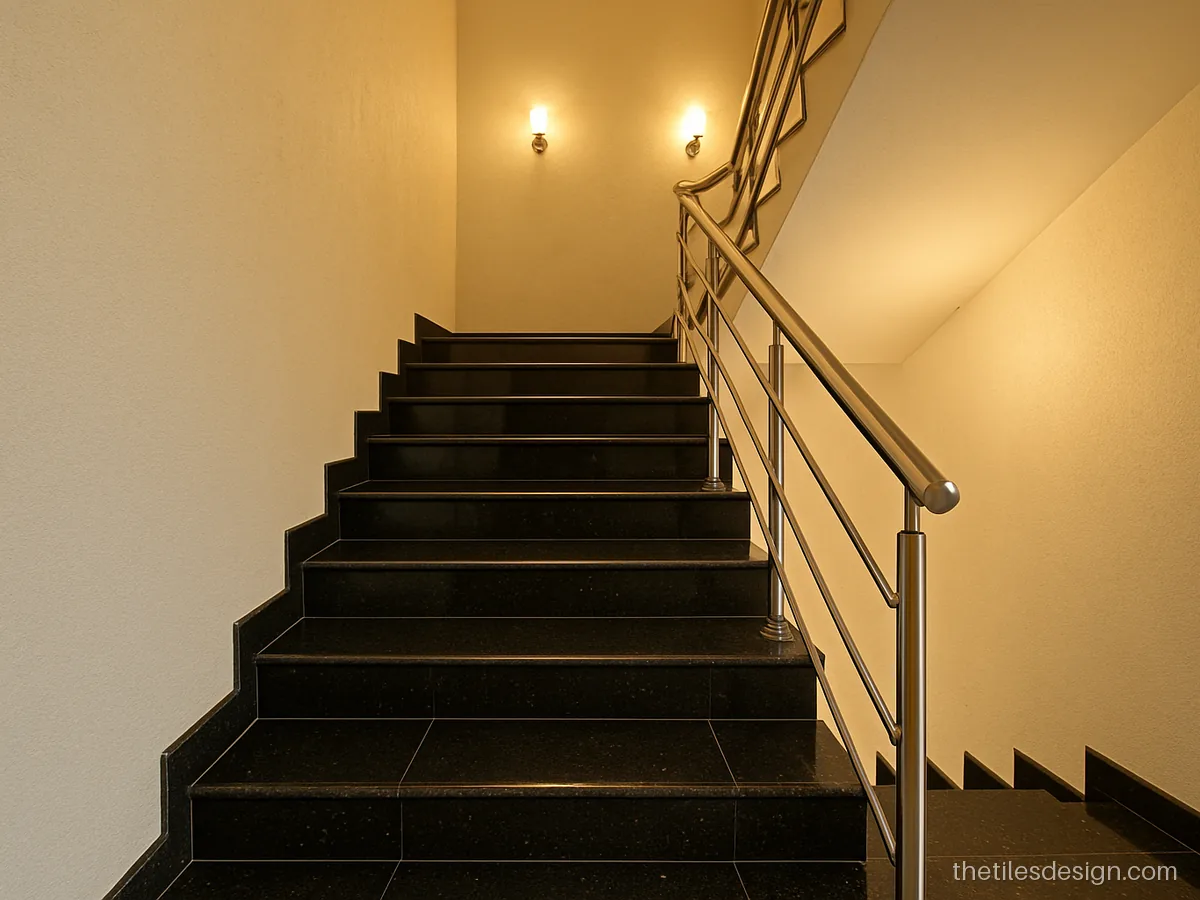
- Size
- 300 x 1200 mm treads
- Finish
- Polished, honed edge
- Best for
- Busy family stairs
Black granite look steps with golden flecks hide dirt and wear well on busy stairs in a joint family home.
Fitter's tip: Polished black shows water spots, so mop it dry after wet cleaning.
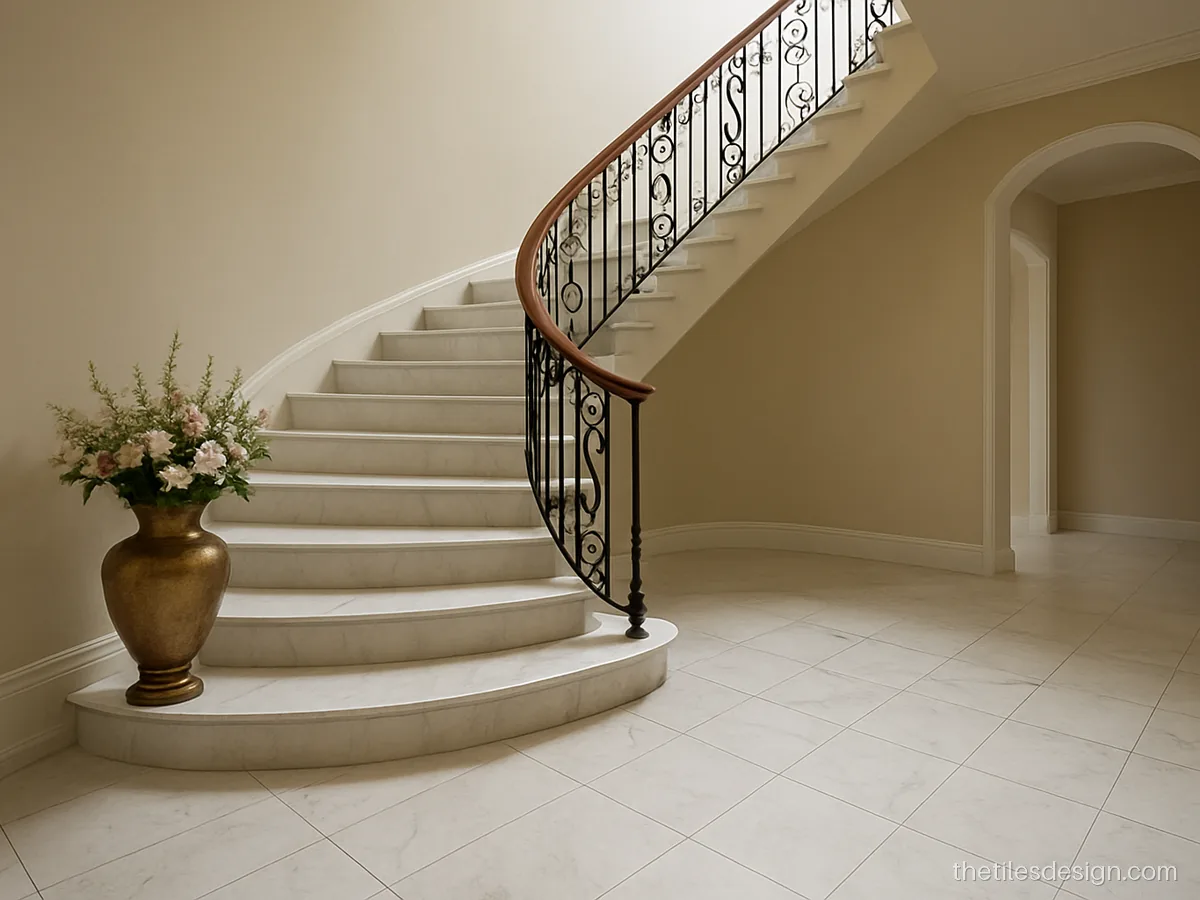
- Size
- 300 x 1500 mm treads
- Finish
- Honed
- Best for
- Bungalow halls
White marble look steps suit a wide staircase in a bungalow hall. Pick a honed or satin finish, not high polish, for safer grip.
Fitter's tip: Cut curved treads on a wet saw and dry fit each one before fixing with adhesive.
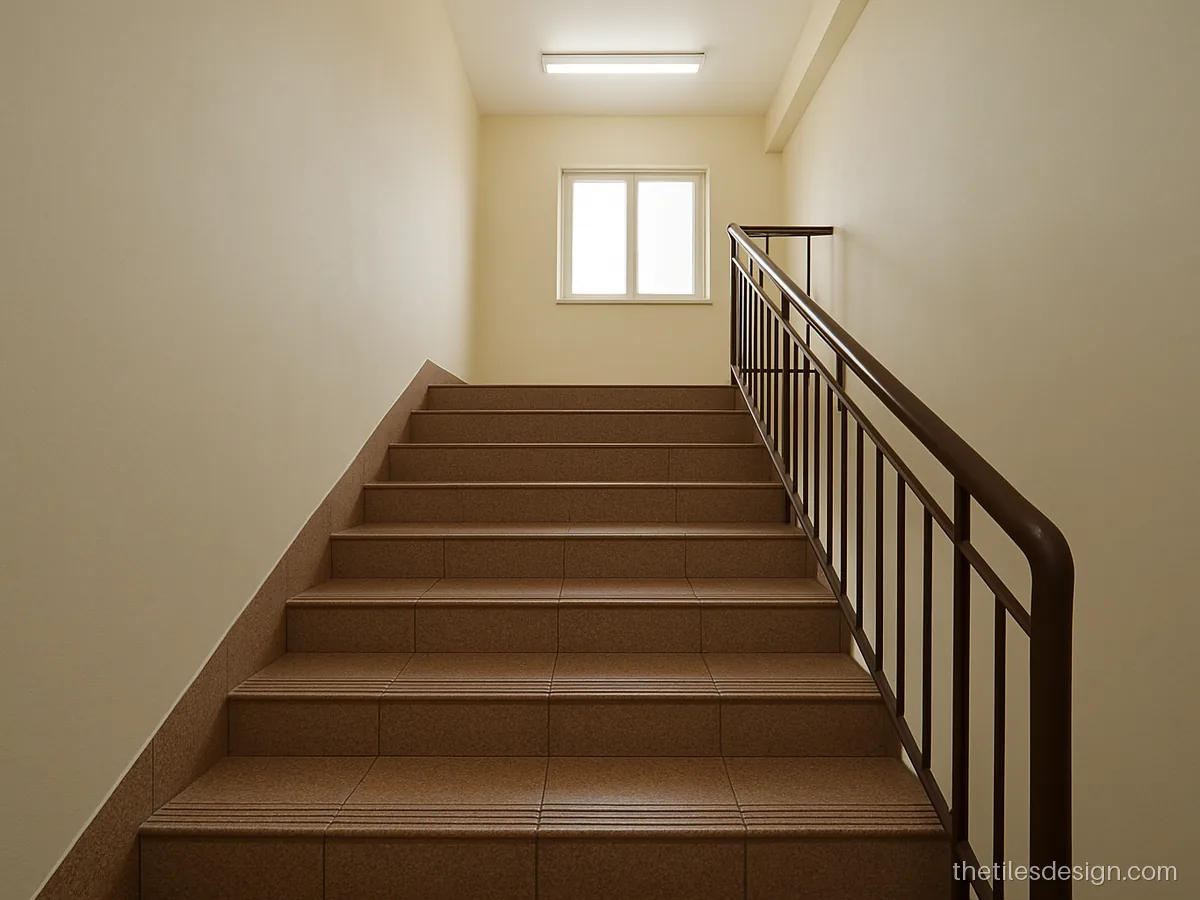
- Size
- 300 x 1200 mm treads
- Finish
- Matt
- Best for
- Apartment stairs
Brown speckled granite look tiles hide dust, scuffs and stains on shared stairs in apartment blocks, where cleaning is not daily.
Fitter's tip: Choose full body tiles here, so chipped edges do not show a white base.
Stairs Wall Tiles Design and Step Riser Tiles
Step riser tiles and tiles on stairs wall add colour without making treads slippery. Keep patterns on the riser and wall and plain tiles on the tread. See more patterns on Moroccan tiles.
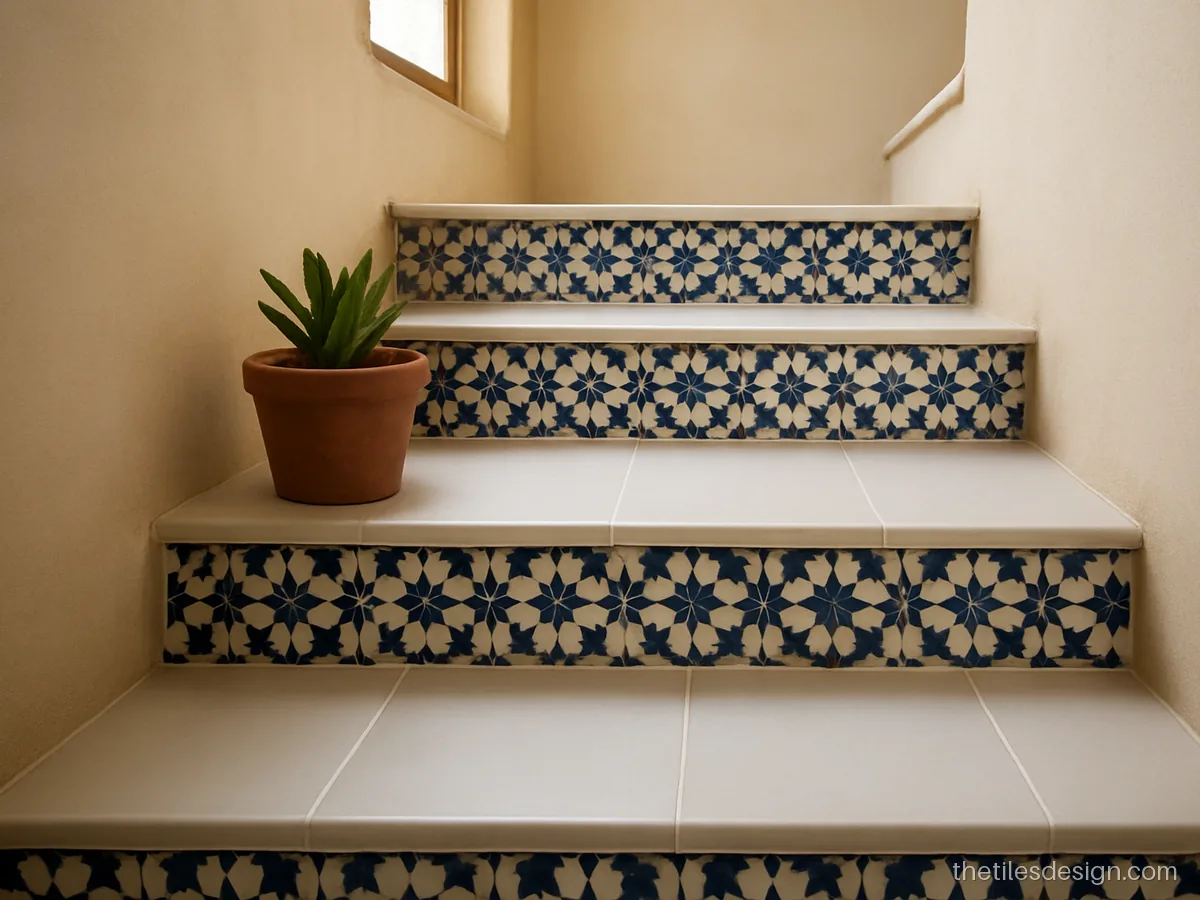
- Size
- 150 x 150 mm risers
- Finish
- Matt
- Best for
- Small staircases
Blue patterned risers under plain treads turn a simple staircase into a feature. The tread stays plain for safe grip.
Fitter's tip: Measure each riser height before ordering; uneven risers need a different cut per step.
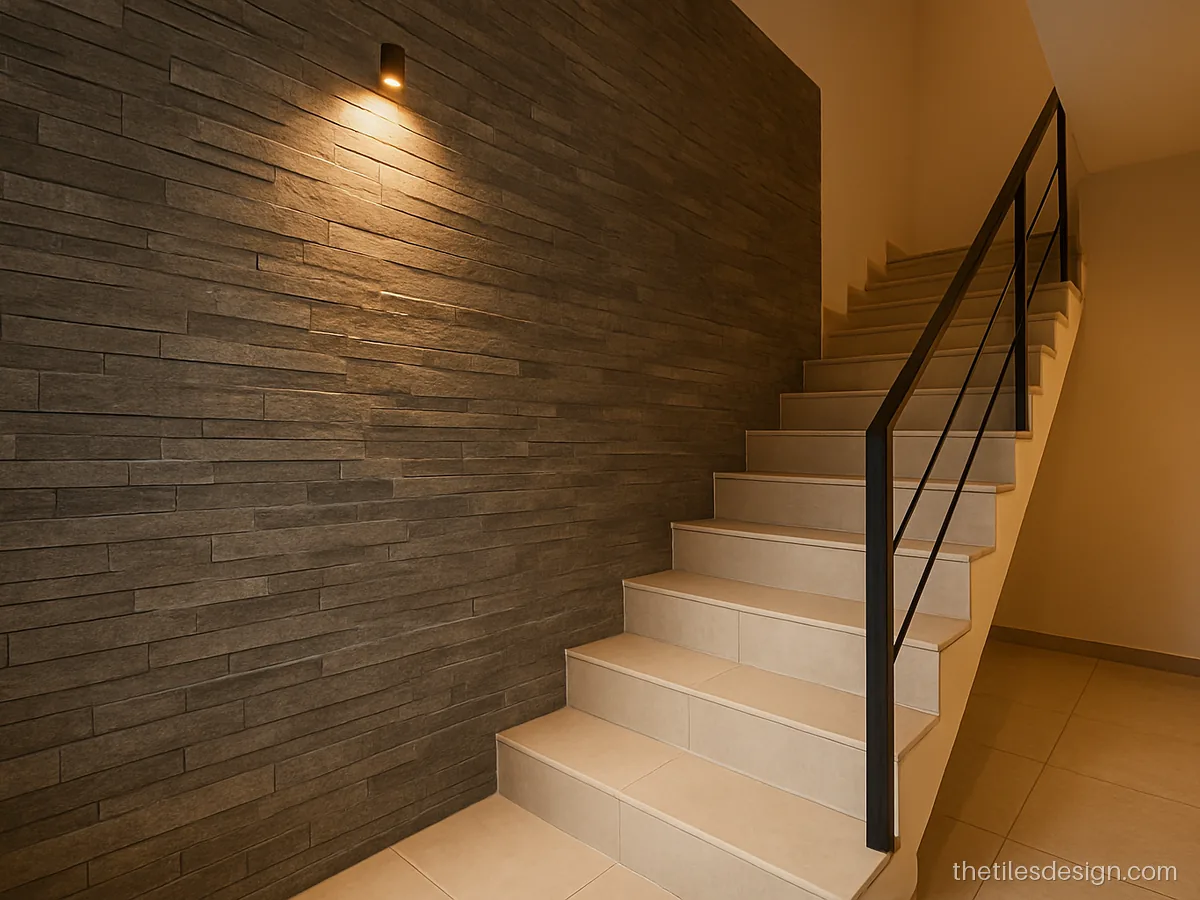
- Size
- 150 x 600 mm strips
- Finish
- Rough textured
- Best for
- Double height walls
Grey stone look cladding along the stair side wall hides hand marks and scuffs from moving furniture. It suits a double height wall.
Fitter's tip: Start cladding from a level line at the bottom step, not from the sloping stair edge.
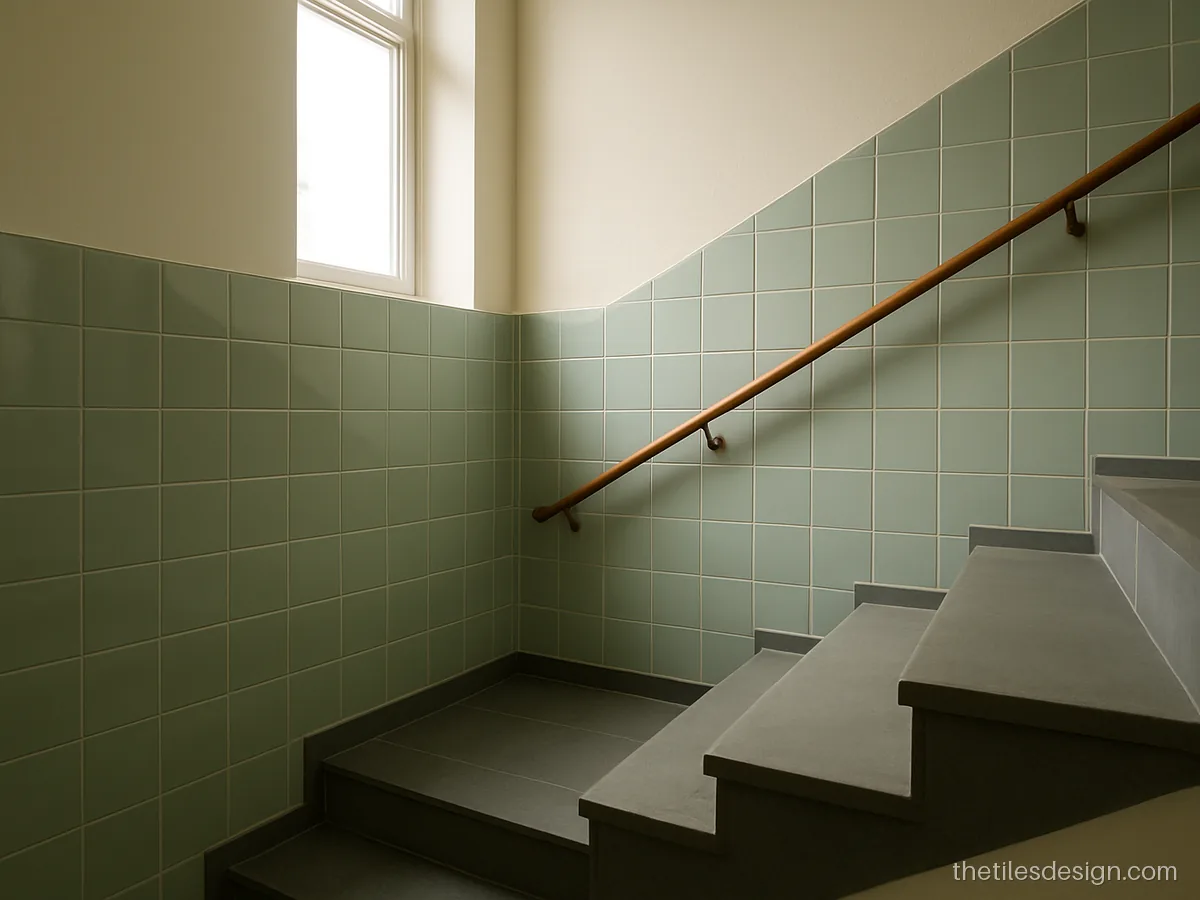
- Size
- 300 x 600 mm
- Finish
- Glossy
- Best for
- Busy family stairs
Ceramic tiles fitted up to about 900 mm along the slope of the stairs protect the wall from mop splashes and shoe marks.
Fitter's tip: Cut the top edge parallel to the stair slope and finish it with a slim PVC or metal trim.
Stair Tile Sizes and Finishes
A comfortable step has a tread of about 250 to 300 mm and a riser of 150 to 175 mm. Ask for ready step tiles with a grooved or rounded front edge, or have the fitter cut and polish the edge on site.
| Place | Tread tile | Riser | Finish |
|---|---|---|---|
| Indoor stairs | 300 x 1200 mm vitrified | 150 mm cut strip | Matt or satin |
| Outdoor steps | 300 x 600 mm or 600 x 600 mm, 10 mm plus | Same tile | Anti-skid or rough |
| Wood look stairs | 200 x 1200 mm planks | Same plank | Matt wood grain |
| Apartment common stairs | 300 x 1200 mm full body | Same tile | Matt, grooved edge |
Ready step tiles with a moulded nosing, full body tiles and thick outdoor tiles cost more than plain floor tiles. Curved steps and patterned risers add cutting labour. See the tile size guide for thickness.
Fitting and Care for Stair Tiles
- Start from the bottom step and work up, so you never stand on fresh tiles.
- Check every riser height with a tape before fixing; a 10 mm difference can cause a fall.
- Use full adhesive cover under treads. Hollow spots crack at the front edge.
- Keep 2 to 3 mm joints and use epoxy grout on outdoor steps.
- Buy 10 percent extra, plus a few spare treads, as edges chip first.
- Clean with a damp mop and dry it. Never use oil based polish on stairs.
Tile questions people ask
What are the best tiles for stairs?
Matt or satin vitrified step tiles in 300 x 1200 mm suit most indoor stairs. Granite look and full body tiles last longest on busy stairs. Pick a tile with a grooved or rounded front edge.
Which are the best non slippery tiles for stairs outdoors?
Use anti-skid, rough or leather textured tiles at least 10 mm thick, or natural stone like kota and granite with a flamed surface. Avoid glossy tiles outside. A small fall to the front helps rain run off.
Are wood tile stairs a good idea?
Yes. Wood look tiles do not swell or attract termites and are easy to mop. Choose matt finish and a proper front edge, as cut plank edges chip if left raw.
Can I use glossy tiles on stairs?
Not on treads. Glossy tiles become slippery with water or socks, which is risky for elders and kids. Glossy is fine on risers and on the stairs wall.
Can new step tiles be fixed over old stairs?
Yes, if the old surface is firm and not hollow. The fitter must keep every riser the same height after tiling, including the top and bottom steps. Tap each old step and remove loose pieces first.
What size are riser tiles?
Riser tiles are usually cut strips 150 to 175 mm high to match your step height. Some ready step sets come with matching risers. Patterned 150 x 150 mm tiles also work well on risers.